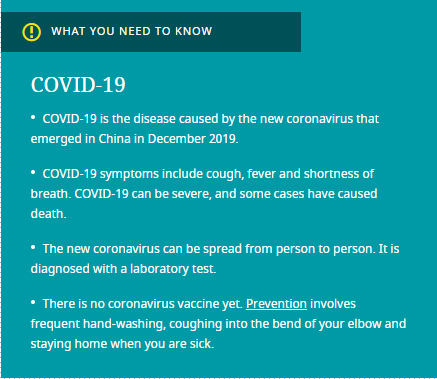
Coronaviruses are a type of virus. There are many different kinds, and some cause disease. A newly identified type has caused a recent outbreak of respiratory illness now called COVID-19. How is COVID-19 spread? COVID-19 can be passed from person to person through droplets from coughs and sneezes. COVID-19 has been detected in people all …
The post Koronavirüsü Bütün Dünyayı Ele Geçirdi, peki Koronavirüsü nedir? (İngilizce Haber) appeared first on İngilizceyi Severek Öğren.
]]>
How is COVID-19 spread?
COVID-19 can be passed from person to person through droplets from coughs and sneezes. COVID-19 has been detected in people all over the world, and is considered a pandemic.
The spread of this new coronavirus is being monitored by the Centers for Disease Control (CDC), the World Health Organization and health organizations.
How did this new coronavirus spread to humans?
COVID-19 appeared in Wuhan, a city in China, in December 2019. Although health officials are still tracing the exact source of this new coronavirus, early hypotheses thought it may be linked to a seafood market in Wuhan, China. Some people who visited the market developed viral pneumonia caused by the new coronavirus. A study that came out on Jan. 25, 2020, notes that the individual with the first reported case became ill on Dec. 1, 2019, and had no link to the seafood market. Investigations are ongoing as to how this virus originated and spread.
What is the incubation period for COVID-19?
It appears that symptoms are showing up in people within 14 days of exposure to the virus.
What are symptoms of COVID-19?
COVID-19 symptoms include:
- Cough
- Fever
- Shortness of breath
In rare cases, COVID-19 can lead to severe respiratory problems, kidney failure or death.
If you have a fever or any kind of respiratory difficulty such as coughing or shortness of breath, call your doctor or a health care provider and explain your symptoms over the phone before going to the doctor’s office, urgent care facility or emergency room. Here are suggestions if you feel sick and are concerned you might have COVID-19.
If you have a medical emergency such as severe shortness of breath, call 911 and let them know about your symptoms.
How is COVID-19 diagnosed?
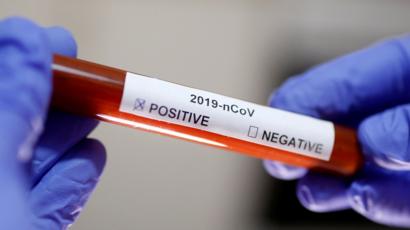
Diagnosis may be difficult with only a physical exam because mild cases of COVID-19 may appear similar to the flu or a bad cold. A laboratory test can confirm the diagnosis.
How is COVID-19 treated?
As of now, there is not a specific treatment for the virus. People who become sick from COVID-19 should be treated with supportive measures: those that relieve symptoms. For severe cases, there may be additional options for treatment, including research drugs and therapeutics.
Does COVID-19 cause death?
As of Mar. 21, 2020, 11,906 deaths have been attributed to COVID-19. However, 89,899 people have recovered from the illness.
Is this coronavirus different from SARS?
SARS stands for severe acute respiratory syndrome. In 2003, an outbreak of SARS started in China and spread to other countries before ending in 2004. The virus that causes COVID-19 is similar to the one that caused the 2003 SARS outbreak: both are types of coronaviruses. Much is still unknown, but COVID-19 seems to spread faster than the 2003 SARS and also may cause less severe illness.
How do you protect yourself from this coronavirus?
It’s crucial to practice good hygiene, respiratory etiquette and social distancing. Read more about ways to protect yourself.
About Coronaviruses
- Coronaviruses are common in different animals. Rarely, an animal coronavirus can infect humans.
- There are many different kinds of coronaviruses. Some of them can cause colds or other mild respiratory (nose, throat, lung) illnesses.
- Other coronaviruses can cause more serious diseases, including severe acute respiratory syndrome (SARS) and Middle East respiratory syndrome (MERS).
- Coronaviruses are named for their appearance: Under the microscope, the viruses look like they are covered with pointed structures that surround them like a corona, or crown.
İngilizce Haber
Koronavirüsü bir virüs çeşididir. Bir çok farklı türü vardır, ve bazıları hastalığa sebep olmaktadır. Yeni bulunan bir tip, yakın zamanda COVID-19 olarak adlandırılan yeni bir solunum yolu hastalığı salgınına sebep olmuştur.COVID-19 nasıl yayılır?
COVID-19 öksürük ve hapşırıklardan çıkan damlacıklar aracılığıyla kişiden kişiye geçebilir. COVID-19 dünyada insanlarda tespit edildi, ve küresel bir salgın olarak göz önüne alındı.
Bu yeni koronavirüsün yayılımı, CDC (Hastalık Kontrol Merkezleri), Dünya Sağlık Örgütü ve sağlık kuruluşları tarafından gözleniyor.
Bu yeni koronavirüsü insanlara nasıl yayıldı?
COVID-19 Aralık 2019’da Çin’in Wuhan şehrinde ortaya çıktı. Sağlık yetkilileri hala bu yeni koronavirüsünün asıl kaynağının izini sürmelerine rağmen erken hipotezler, bunun Wuhan, Çin’deki bir deniz ürünleri pazarına bağlı olabileceğini düşünüyordu. Pazarı ziyaret eden bazı insanlar yeni koronavirüsün sebep olduğu virüslü zatürreyi geliştirdi. 25 Ocak 2020’de yapılan bir çalışma, ilk bildirilen vakayı içeren bireyin 1 Aralık 2019’de hastalandığını ve deniz ürünleri pazarıyla bağlantısı olmadığını gösteriyor. Bu virüsün nasıl ortaya çıktığına ve nasıl yayıldığına dair araştırmalar devam etmekte.
COVID-19’un kuluçka süresi nedir?
Virüse maruz kaldıktan sonraki 14 gün içinde semptomların insanlarda ortaya çıktığı görülmektedir.
COVID-19’un semptomları nedir?
COVID-19’un semptomları şunlardır:
- Öksürük
- Ateş
- Nefes Darlığı
Nadir durumlarda, COVID-19 şiddetli solunum problemlerine, böbrek yetmezliğine veya ölüme yol açabilir.
Eğer ateşiniz veya öksürük, nefes darlığı gibi herhangi bir solunum zorluğunuz varsa doktorunuzu veya bir sağlık kuruluşunu arayın ve doktor ofisine, acil bakım tesisine veya acil servise gitmeden önce telefonda semptomlarınızı açıklayın. Eğer kendinizi hasta hissediyorsanız ve COVID-19’a sahip olabileceğinizden endişeleniyorsanız, öneriler buradadır.
Eğer şiddetli nefes darlığı gibi tıbbi acil durumunuz varsa 112’i arayın ve semptomlarınız hakkında onlara bilgi verin.
COVID-19 nasıl teşhis edilir?
COVID-19’un hafif vakaları, grip veya kötü bir soğuk algınlığıyla aynı olabileceği için sadece fiziksel muayene ile teşhis zor olabilir. Laboratuvar testi teşhisi doğrular.
COVID-19 nasıl tedavi edilir?
Şu an itibariyle, virüs için belli bir tedavi yok. COVID-19’dan hasta olan insanlar semptomları hafifleten destekleyici önlemlerle tedavi edilmeli. Şiddetli durumlarda, tedavi için araştırma ilaçları ve tedavi edicileri içeren ek seçenekler olabilir.
COVID-19 ölüme sebep olur mu?
21 Mart 2020 itibariyle 11,906 ölüm COVID-19’a bağlandı. Fakat 89,899 kişi hastalıktan kurtarıldı.
COVID-19, SARS’dan farklı mı?
SARS, şiddetli keskin solunum sendromu anlamına gelir. 2003’te SARS salgını Çin’de başladı ve 2004’ün sonundan önce diğer ülkelere yayıldı. COVID-19’a sebep olan virüs, 2003 SARS salgınına sebep olan virüs ile aynıdır: her ikisi de koronavirüsün tipleridir. Çoğu hala bilinmemektedir, ama COVID-19’un 2003 SARS ‘dan daha hızlı yayıldığı görülüyor ve ayrıca daha az ciddi hastalıklara sebep olabilir.
Koronavirüsten kendimizi nasıl koruruz?
İyi hijyene, solunum görgü kurallarına ve sosyal uzaklıklara sahip olmak çok önemlidir. Kendinizi korumanın yolları hakkında daha fazla okuyun, daha fazla bilgi edinin.
Koronavirüsü Hakkında
- Koronavirüsü farklı hayvanlar içerisinde yaygındır. Nadiren, bir hayvan koronavirüsü insanlara bulaşabilir.
- Koronavirüsün birçok farklı çeşidi vardır. Onların bazıları, soğuk algınlığına veya hafif solunum hastalıklarına (burun, boğaz, akciğer) sebep olabilir.
- Diğer koronavirüsleri ise şiddetli keskin solunum sendromu (SARS) ve Orta Doğu solunum sendromu (MERS) içeren ciddi hastalıklara sebep olabilir.
- Koronavirüsleri görünüşleriyle isimlendirilir: Mikroskop altında, virüsler, kendilerini bir korona veya taç gibi çevreleyen sivri yapılarla kaplanmış gibi görünürler.

Outbreak (salgın)
Respiratory (solunum)
Illness (hastalık)
Cough (öksürük)
Sneeze (hapşırık)
To detect (keşfetmek, bulmak)
Pneumonia (zatürre)
Individual (birey, bireysel)
Investigation (araştırma)
Incubation (kuluçka)
Exposure (maruz kalma)
Facility (tesis, olanak, kolaylık)
Severe (şiddetli, keskin)
Diagnosis (teşhis)
Therapeutic (tedavi edici)
Crucial (önemli)
Rarely (nadiren)
To infect (bulaşmak)
Serious (ciddi)
Crown (taç)
The post Koronavirüsü Bütün Dünyayı Ele Geçirdi, peki Koronavirüsü nedir? (İngilizce Haber) appeared first on İngilizceyi Severek Öğren.
]]>A rare natural phenomenon which makes it look like wheels of snow have been rolled on their own has been captured in photos. Six rare “snow rollers” were spotted by Brian Bayliss in Wiltshire. He said he spotted them in a field he owns and at first thought they had been manmade but there were …
The post Çok Nadir Rastlanan Kar Ruloları İngiltere’de Görüntülendi (İngilizce Haber) appeared first on İngilizceyi Severek Öğren.
]]>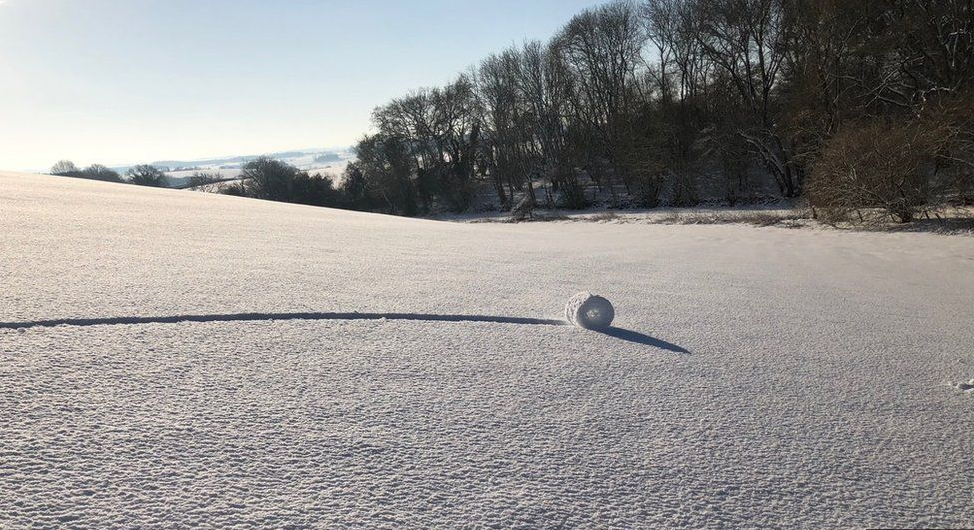
A rare natural phenomenon which makes it look like wheels of snow have been rolled on their own has been captured in photos.
Six rare “snow rollers” were spotted by Brian Bayliss in Wiltshire.
He said he spotted them in a field he owns and at first thought they had been manmade but there were no footprints.
It is thought the bales are formed when wind conditions are ideal to blow chunks of snow along, picking up more snow along the way.
Forestry worker Mr Bayliss, 51, said he had “never seen anything like it before” and when he got closer he “could see the sun through the middle, and they just made no sense”.
He captured the images shortly after sunrise on Saturday.
BBC weatherman Ian Fergusson said it was “very rare” that conditions were so perfect that snow rollers could be formed.
“These are truly beautiful photos of a very rare meteorological phenomenon – called snow rollers or snow bales. Brian was very lucky to see these,” Mr Fergusson said.
“Conditions have to be just right for snow rollers to occur: a smooth, un-vegetated hillside, such as in this case near Marlborough, enhances the chance of them being formed.
“A layer of thin snow, settled atop existing ice and not sticking to it, combined with specific temperature, moisture level and wind speed, are fundamental to the creation of these natural oddities.”
If the wind is too strong, or too weak, or the snow is too tightly packed, snow rollers will not form.
The resulting snowballs look like a hay bale, a doughnut or a Swiss roll, and can be hollow inside.
İngilizce Haber
Ender rastlanan bir doğa olayı olan kar ruloları İngiltere’nin güneybatısındaki Marlborough bölgesinde görüntülendi.
Çiftçi Brian Bayliss, önce tarlasında gördüğü altı kar rulosunun birileri tarafından yapıldığını sandığını söylüyor.
Ancak etrafta ayak izi göremeyince bunun kendiliğinden oluşmuş bir şey olduğunu anladığını anlatıyor.
Rüzgârın ideal hız ve açıda esmesiyle karı yuvarladığı ve silindir şeklindeki kar rulolarını oluşturduğu tahmin ediliyor.
Kar rulolarının ancak hava sıcaklığının sıfır dereceye yakın olduğu dönemlerde ve karın yüzeyinin de hâlâ yapışkan olduğu koşullarda oluşabildiği biliniyor.
Rüzgâr zemindeki karı yüzeyden koparıp yuvarlamaya başlıyor ve rüzgârın etkisiyle rulo giderek büyüyor.
51 yaşındaki çiftçi Bayliss, daha önce hiç böyle bir şeyle karşılaşmadığını, rulolara yaklaştığında ortalarının delik olduğunu gördüğünü anlattı.
Bayliss, Cumartesi sabahı çektiği fotoğrafları BBC ile paylaştı.
BBC’nin meteoroloji uzmanı Ian Fergusson, kar rulolarının çok ender rastlandığını, bu doğal yapıların oluşması için ısı, arazi yapısı, kar türü, rüzgâr hızı ve açısı gibi pek çok doğal etkenin birlikte çalışması gerektiğini söylüyor.
To rare (nadir)
Phenomenon (görüngü, olay)
To capture (ele geçirmek)
Snow Rollers (kar ruloları)
Bale (balya)
Chunk (yığın)
Truly (tamamen)
Lucky (şanslı)
To enhance (arttırmak)
Layer (katman, tabaka)
Moisture (nem, rutubet)
Fundamental (temel, ana)
Wind (rüzgar)
Oddity (tuhaflık)
Hollow (çukur)
Doughnut (halka)
The post Çok Nadir Rastlanan Kar Ruloları İngiltere’de Görüntülendi (İngilizce Haber) appeared first on İngilizceyi Severek Öğren.
]]>The post One / Ones Alıştırma appeared first on İngilizceyi Severek Öğren.
]]>The post One / Ones Alıştırma appeared first on İngilizceyi Severek Öğren.
]]>One, ones “Do you need a pen ?” “No, thanks. I already have one.” (“Bir kaleme ihtiyacınız var mı?” “Hayır, teşekkürler. Benim zaten bir tane var.”) I prefer light colours to dark ones. (Ben koyu renklere açık renkleri tercih ederim.) The shopkeeper showed me two T-shirts and I bought the one with some flower patterns …
The post Substitution About Pronouns appeared first on İngilizceyi Severek Öğren.
]]>One, ones

- “Do you need a pen ?” “No, thanks. I already have one.” (“Bir kaleme ihtiyacınız var mı?” “Hayır, teşekkürler. Benim zaten bir tane var.”)
- I prefer light colours to dark ones. (Ben koyu renklere açık renkleri tercih ederim.)
- The shopkeeper showed me two T-shirts and I bought the one with some flower patterns on. (Mağaza sahibi bana iki T-shirt gösterdi ve ben üzerinde çiçek deseni olanı aldım.)
- The students in class B have got much better scores than the ones in C. (B sınıfındaki öğrenciler, C sınıfındakilerden daha iyi puanlara sahipler.)
- The small buildings over there belong to the staff but those large ones are where the administrators stay. (Oranın üzerindeki küçük binalar personele aittir, ama bunların büyükleri yöneticilerin kaldıkları yerlerdir.)
- “I would like to try that shirt on.” “Which one?” “The blue one.” (“O gömleği denemek istiyorum.” “Hangisi?” “Mavi olanı.”)
- “Those students in the back row are from the States, but the ones in the front line are from Canada.” (“Arka sıradaki öğrenciler Amerikalılar, ama ön sıradakiler Kanadalılar.”)
- Don’t make a sudden decision to work in that company; you deserve a better one with your qualifications. (O şirkette çalışmak için ani bir karar alma; sen niteliklerine göre daha iyi bir tanesini hak ediyorsun.)
- The bowl was so small for the salad she made that she had to use two large ones to serve it. (Kase onun yaptığı salata için o kadar küçüktü ki o, salatayı servis etmek için iki tane büyük olanını kullanmak zorunda kaldı.)
- Don’t insist on answering all the questions in this book; those ones in the worksheet will be enough for revision. (Bu kitaptaki bütün soruları cevaplamakta ısrar etme; çalışma kağıdındakiler gözden geçirmen için yeterli olacak.)
- The band that performed the last in the contest was also the best (one). (Yarışmada en son sırada performans alan grup da en iyilerinden biriydi.)
- Which (one) would you like to buy out of these two dresses? I will buy the black one if you buy the other (one). (Bu iki elbise dışında almak istediğiniz hangisi? Eğer diğerini alırsam siyah olanını alacağım.)
- Please, don’t wear this pink tie; get another (one). (Lütfen bu pembe kravatı takma; başka bir tane al.)
- The one who is standing over there is our landlady. (Onun üzerinde duruyor olan kimse bizim ev sahibimizdi.)
- Dolores has filed the ones which belong to past year’s clients. (Dolores geçen yılın müşterilerine ait olanları dosyaladı.)
That of / Those of
- I can’t imagine a greater life than that of a teacher. (… than the life of a teacher) (Bir öğretmeninkinden daha büyük bir yaşam hayal edemiyorum.)
- We should admit that the responsibilities of mothers are far more serious than those of fathers. (the responsibilities of fathers) (Biz, annelerin sorumluluklarının babalarınkinden daha ciddi olduğunu kabul etmeliyiz.)
One of
- one of his books (onun kitaplarının birisi)
- one of the/my/those birds (NOT one of birds)
- One of the cars in the parking lot has been sold. (Otoparktaki arabaların biri satıldı.)
- One of my classmates was awarded a scholarship in Canada. (Sınıf arkadaşlarımın birisi Kanada’da bursla ödüllendirildi.)
- İstanbul is known as one of the most beautiful places not only in Europe but also in the whole world. (İstanbul, sadece Avrupa’da değil aynı zamanda bütün dünyada en güzel yerlerden biri olarak bilinir.)

- Why don’t you ask one of the crew? (Neden ekipten birisine sormuyorsunuz?)
One or it
- I have to get a ticket to travel on public buses but I don’t know where I can get one. (Halk otobüslerinde seyahat etmek için bir bilet almak zorundayım, ama bir tane nerden alacağımı bilmiyorum.)
- Take this card and don’t lose it; or else, you won’t be allowed to enter there. (Bu kartı al ve onu kaybetme; aksi takdirde oraya girmene izin verilmeyecek.)
- I haven’t got a calculator and I need one for the calculus class. (Benim bir tane hesap makinesine sahip değilim ve calculus dersi için bir tane ihtiyacım var.)
BUT
- “Have you seen my calculator around here?” “Yes, I’ve just seen it on your desk.” (“Buralarda hesap makinemi gördün mü?” “Evet, az önce onu senin sıranda gördüm.”)
The post Substitution About Pronouns appeared first on İngilizceyi Severek Öğren.
]]>To clear out ➡ boşaltmak To step down ➡ istifa etmek, ayrılmak, azaltmak To break out ➡ patlak vermek, kaçmak To fall off ➡ düşmek, azalmak To come along ➡ varmak, birlikte gitmek, ortaya çıkmak, gelişmek To turn on ➡ açmak, tahrik etmek To set off ➡ yola çıkmak, yol açmak To take on ➡ …
The post Deyimsel Fiiller – 4. Hafta Kelimeleri appeared first on İngilizceyi Severek Öğren.
]]>To clear out  boşaltmak
To step down istifa etmek, ayrılmak, azaltmak
To break out patlak vermek, kaçmak
To fall off düşmek, azalmak
To come along varmak, birlikte gitmek, ortaya çıkmak, gelişmek
To turn on açmak, tahrik etmek
To set off yola çıkmak, yol açmak
To take on üstlenmek, hal almak, işe almak
To come across karşılaşmak, iyi etki bırakmak
To rule out gözardı etmek, önlemek
The post Deyimsel Fiiller – 4. Hafta Kelimeleri appeared first on İngilizceyi Severek Öğren.
]]>Immediately ➡ hemen, aniden Increasingly ➡ artarak, artan bir şekilde Incredibly ➡ son derece, inanılması güç Inevitably ➡ kaçınılmaz şekilde Largely ➡ büyük ölçüde Mainly ➡ başlıca Merely ➡ sadece Nearly ➡ yaklaşık Necessarily ➡ illa ki, mutlaka Notably ➡ özellikle, bilhassa; önemli derecede
The post Zarflar – 4. Hafta Kelimeleri appeared first on İngilizceyi Severek Öğren.
]]>Immediately hemen, aniden
Increasingly artarak, artan bir şekilde
Incredibly son derece, inanılması güç
Inevitably kaçınılmaz şekilde
Largely büyük ölçüde
Mainly başlıca
Merely sadece
Nearly yaklaşık
Necessarily illa ki, mutlaka
Notably özellikle, bilhassa; önemli derecede
The post Zarflar – 4. Hafta Kelimeleri appeared first on İngilizceyi Severek Öğren.
]]>Certain ➡ belli, bazı, kesin, emin Cheap ➡ ucuz Chemical ➡ kimyasal Clear ➡ açık, belli Close ➡ yakın Cold ➡ soğuk Comfortable ➡ rahat, konforlu Common ➡ yaygın, ortak, sıradan Competitive ➡ rekabetçi Complex ➡ karmaşık
The post Sıfatlar – 4.Hafta Kelimeleri appeared first on İngilizceyi Severek Öğren.
]]>Certain belli, bazı, kesin, emin
Cheap ucuz
Chemical kimyasal
Clear açık, belli
Close yakın
Cold soğuk
Comfortable rahat, konforlu
Common yaygın, ortak, sıradan
Competitive rekabetçi
Complex karmaşık
The post Sıfatlar – 4.Hafta Kelimeleri appeared first on İngilizceyi Severek Öğren.
]]>To approach ➡ yaklaşmak To approve ➡ onaylamak To argue ➡ tartışmak, ileri sürmek To arise ➡ ortaya çıkmak, meydana gelmek To arrange ➡ düzenlemek To arrive ➡ varmak, ulaşmak To ask ➡ sormak, ,istemek To assess ➡ değerlendirmek To associate ➡ ilişkilendirmek To assure ➡ garanti etmek, söz vermek
The post Fiiller – 4. Hafta Kelimeleri appeared first on İngilizceyi Severek Öğren.
]]>To approach yaklaşmak
To approve onaylamak
To argue tartışmak, ileri sürmek
To arise ortaya çıkmak, meydana gelmek
To arrange düzenlemek
To arrive varmak, ulaşmak
To ask sormak, ,istemek
To assess değerlendirmek
To associate ilişkilendirmek
To assure garanti etmek, söz vermek
The post Fiiller – 4. Hafta Kelimeleri appeared first on İngilizceyi Severek Öğren.
]]>Art ➡ sanat Article ➡ makale, madde Aspect ➡ yön, özellik, taraf Assessment ➡ değerlendirme Assistance ➡ destek, yardım Association ➡ ilişki, durum, baglantı Assumption ➡ varsayım Attempt ➡ çaba Attention ➡ dikkat Audience ➡ izleyici, dinleyici
The post İsimler – 4. Hafta Kelimeleri appeared first on İngilizceyi Severek Öğren.
]]>Art sanat
Article makale, madde
Aspect yön, özellik, taraf
Assessment değerlendirme
Assistance destek, yardım
Association ilişki, durum, baglantı
Assumption varsayım
Attempt çaba
Attention dikkat
Audience izleyici, dinleyici
The post İsimler – 4. Hafta Kelimeleri appeared first on İngilizceyi Severek Öğren.
]]>The post Pronouns Alıştırma appeared first on İngilizceyi Severek Öğren.
]]>The post Pronouns Alıştırma appeared first on İngilizceyi Severek Öğren.
]]>