Deprecated: Return type of Ai1wm_Recursive_Directory_Iterator::hasChildren($allow_links = true) should either be compatible with RecursiveDirectoryIterator::hasChildren(bool $allowLinks = false): bool, or the #[\ReturnTypeWillChange] attribute should be used to temporarily suppress the notice in /home/ceerenco/learnenglishfondly.com/wp-content/plugins/All-In-One-WP-Migration-With-Import-master/lib/vendor/servmask/iterator/class-ai1wm-recursive-directory-iterator.php on line 57

Deprecated: Return type of Ai1wm_Recursive_Directory_Iterator::rewind() should either be compatible with FilesystemIterator::rewind(): void, or the #[\ReturnTypeWillChange] attribute should be used to temporarily suppress the notice in /home/ceerenco/learnenglishfondly.com/wp-content/plugins/All-In-One-WP-Migration-With-Import-master/lib/vendor/servmask/iterator/class-ai1wm-recursive-directory-iterator.php on line 35

Deprecated: Return type of Ai1wm_Recursive_Directory_Iterator::next() should either be compatible with DirectoryIterator::next(): void, or the #[\ReturnTypeWillChange] attribute should be used to temporarily suppress the notice in /home/ceerenco/learnenglishfondly.com/wp-content/plugins/All-In-One-WP-Migration-With-Import-master/lib/vendor/servmask/iterator/class-ai1wm-recursive-directory-iterator.php on line 42

Deprecated: Return type of Ai1wm_Recursive_Extension_Filter::getChildren() should either be compatible with RecursiveFilterIterator::getChildren(): ?RecursiveFilterIterator, or the #[\ReturnTypeWillChange] attribute should be used to temporarily suppress the notice in /home/ceerenco/learnenglishfondly.com/wp-content/plugins/All-In-One-WP-Migration-With-Import-master/lib/vendor/servmask/filter/class-ai1wm-recursive-extension-filter.php on line 47

Deprecated: Return type of Ai1wm_Recursive_Extension_Filter::accept() should either be compatible with FilterIterator::accept(): bool, or the #[\ReturnTypeWillChange] attribute should be used to temporarily suppress the notice in /home/ceerenco/learnenglishfondly.com/wp-content/plugins/All-In-One-WP-Migration-With-Import-master/lib/vendor/servmask/filter/class-ai1wm-recursive-extension-filter.php on line 37

Deprecated: Return type of Ai1wm_Recursive_Exclude_Filter::getChildren() should either be compatible with RecursiveFilterIterator::getChildren(): ?RecursiveFilterIterator, or the #[\ReturnTypeWillChange] attribute should be used to temporarily suppress the notice in /home/ceerenco/learnenglishfondly.com/wp-content/plugins/All-In-One-WP-Migration-With-Import-master/lib/vendor/servmask/filter/class-ai1wm-recursive-exclude-filter.php on line 41

Deprecated: Return type of Ai1wm_Recursive_Exclude_Filter::accept() should either be compatible with FilterIterator::accept(): bool, or the #[\ReturnTypeWillChange] attribute should be used to temporarily suppress the notice in /home/ceerenco/learnenglishfondly.com/wp-content/plugins/All-In-One-WP-Migration-With-Import-master/lib/vendor/servmask/filter/class-ai1wm-recursive-exclude-filter.php on line 37

Deprecated: Return type of Ai1wm_Recursive_Newline_Filter::accept() should either be compatible with FilterIterator::accept(): bool, or the #[\ReturnTypeWillChange] attribute should be used to temporarily suppress the notice in /home/ceerenco/learnenglishfondly.com/wp-content/plugins/All-In-One-WP-Migration-With-Import-master/lib/vendor/servmask/filter/class-ai1wm-recursive-newline-filter.php on line 28

Deprecated: Return type of WPCF7_FormTag::offsetExists($offset) should either be compatible with ArrayAccess::offsetExists(mixed $offset): bool, or the #[\ReturnTypeWillChange] attribute should be used to temporarily suppress the notice in /home/ceerenco/learnenglishfondly.com/wp-content/plugins/contact-form-7/includes/form-tag.php on line 542

Deprecated: Return type of WPCF7_FormTag::offsetGet($offset) should either be compatible with ArrayAccess::offsetGet(mixed $offset): mixed, or the #[\ReturnTypeWillChange] attribute should be used to temporarily suppress the notice in /home/ceerenco/learnenglishfondly.com/wp-content/plugins/contact-form-7/includes/form-tag.php on line 528

Deprecated: Return type of WPCF7_FormTag::offsetSet($offset, $value) should either be compatible with ArrayAccess::offsetSet(mixed $offset, mixed $value): void, or the #[\ReturnTypeWillChange] attribute should be used to temporarily suppress the notice in /home/ceerenco/learnenglishfondly.com/wp-content/plugins/contact-form-7/includes/form-tag.php on line 516

Deprecated: Return type of WPCF7_FormTag::offsetUnset($offset) should either be compatible with ArrayAccess::offsetUnset(mixed $offset): void, or the #[\ReturnTypeWillChange] attribute should be used to temporarily suppress the notice in /home/ceerenco/learnenglishfondly.com/wp-content/plugins/contact-form-7/includes/form-tag.php on line 552

Deprecated: Return type of WPCF7_Validation::offsetExists($offset) should either be compatible with ArrayAccess::offsetExists(mixed $offset): bool, or the #[\ReturnTypeWillChange] attribute should be used to temporarily suppress the notice in /home/ceerenco/learnenglishfondly.com/wp-content/plugins/contact-form-7/includes/validation.php on line 129

Deprecated: Return type of WPCF7_Validation::offsetGet($offset) should either be compatible with ArrayAccess::offsetGet(mixed $offset): mixed, or the #[\ReturnTypeWillChange] attribute should be used to temporarily suppress the notice in /home/ceerenco/learnenglishfondly.com/wp-content/plugins/contact-form-7/includes/validation.php on line 117

Deprecated: Return type of WPCF7_Validation::offsetSet($offset, $value) should either be compatible with ArrayAccess::offsetSet(mixed $offset, mixed $value): void, or the #[\ReturnTypeWillChange] attribute should be used to temporarily suppress the notice in /home/ceerenco/learnenglishfondly.com/wp-content/plugins/contact-form-7/includes/validation.php on line 98

Deprecated: Return type of WPCF7_Validation::offsetUnset($offset) should either be compatible with ArrayAccess::offsetUnset(mixed $offset): void, or the #[\ReturnTypeWillChange] attribute should be used to temporarily suppress the notice in /home/ceerenco/learnenglishfondly.com/wp-content/plugins/contact-form-7/includes/validation.php on line 139

Deprecated: Constant FILTER_SANITIZE_STRING is deprecated in /home/ceerenco/learnenglishfondly.com/wp-content/plugins/wordpress-seo/src/conditionals/third-party/elementor-edit-conditional.php on line 22

Deprecated: Constant FILTER_SANITIZE_STRING is deprecated in /home/ceerenco/learnenglishfondly.com/wp-content/plugins/wordpress-seo/src/conditionals/third-party/elementor-edit-conditional.php on line 28

Warning: Cannot modify header information - headers already sent by (output started at /home/ceerenco/learnenglishfondly.com/wp-content/plugins/contact-form-7/includes/form-tag.php:8) in /home/ceerenco/learnenglishfondly.com/wp-includes/feed-rss2.php on line 8
a2 english subjects arşivleri | Learn English Fondly https://learnenglishfondly.com Learn English Fondly,Easily,Quickly Mon, 29 Jul 2019 14:09:22 +0000 en-US hourly 1 https://wordpress.org/?v=6.0.11 Possessive Adjectives https://learnenglishfondly.com/en/possessive-adjectives/ https://learnenglishfondly.com/en/possessive-adjectives/#respond Mon, 29 Jul 2019 14:08:44 +0000 https://learnenglishfondly.com/?p=2106 Learn English Fondly Learn English Fondly - Learn English Fondly,Easily,Quickly

Possessive Case a) ‘Possessive case’ is that possessive situation is used with nouns. In this case, it is added (‘s) suffix to the end of the nouns.   The new manager‘s performance is not as satisfactory as we have expected. b) If a noun is plural; that is there is (s) suffix at the end of the …

The post Possessive Adjectives appeared first on Learn English Fondly.

]]>
Learn English Fondly Learn English Fondly - Learn English Fondly,Easily,Quickly

Possessive Case

a) ‘Possessive case’ is that possessive situation is used with nouns. In this case, it is added (‘s) suffix to the end of the nouns.

  The new manager‘s performance is not as satisfactory as we have expected.

b) If a noun is plural; that is there is (s) suffix at the end of the noun, it is only put (‘) . 

The boy‘s mother is in the living-room talking to her friend over their exam results.

c) If the noun is plural but irregular, it is put (‘s) suffix.

The children‘s parents started to be worried since they hadn’t been in sight for a long time.

d) (s) suffix may be found at the end of some proper nouns. In this case, possessive feature can be expresses both by being put (‘s) suffix to the end of the noun and by only being added (‘) suffix on condition that proper nouns pertain to.

Melis‘s (Melis’) ideas have attracted no attention in the department meeting.

e) Possessive feature always is given with ‘of’ at inanimate entities. However, ‘s is also used with organization names (company,firm …) or words such as Britain, Asia, town, world, city.

The pages of the book have been torn as it has been used for a long time as a reference book.

You need to change the colour of the room and choose a lighter one.

Britain’s political issues – the political issues of Britain

the city’s landscape – the landscape of the city

the firm’s administrative staff – the administrative staff of the firm

f) ‘s is also used with words and patterns besides time words.

I saw the ad in yesterday’s newspaper.

FOR EXAMPLE 💡

Urbanization and globalization will be discussed in tomorrow’s session.

Never expect to be successful after just one hour’s study!

I felt myself completely numb and lazy after twelve hours’ sleep.

They give sense of belonging, but they must be used with a name or group of names to be brought after them.
FOR EXAMPLE 😀
  • Have you taken your new torch with you?
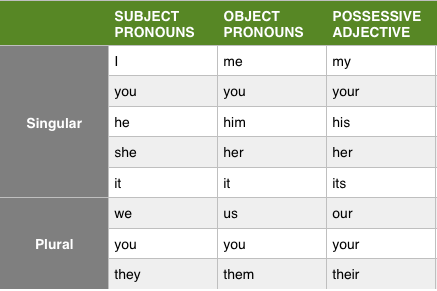
‘Possessive adjectives’ give meaning that “possessive” “s” usage gives.
FOR EXAMPLE 😀
  • It is John‘s book. = It is his book.
  • They are my friends’ bikes. = They are their bikes.
If the word is made plural by being used ‘s’, apostrophe is only used in order to give belonging sense; as above sentence.
‘the’ article can be sometimes substituted ‘possessive adjectives’ such as ‘my, your’.
FOR EXAMPLE 😀
  • A stone hit me on the head while I was passing by children’s playground.
  • One of my friends had a terrible pain in the stomach yesterday.
One’s and whose usages is also belonging usages.
FOR EXAMPLE 😀
  • One has an obligation to one’s friends. 
  • Whose book is this?
Possessive adjectives isn’t used with usages such as “the, a/an, this”.
FOR EXAMPLE 😀
  • I have lost my pen. (NOT …the my pen)
They are possessive adjectives that define who belong to the object in front of it. They qualify noun or noun groups, there is no meaning alone. They give the meaning of ‘s’ suffix defining possessive. If you need to ask questions about these statements, ‘whose’ is used as question word.
FOR EXAMPLE 😀
  • James has decorated his new house in such a way that its style charms everyone.    
  • Peter and Sarah have decided to get married in the summer and they think that their wedding will be an unforgettable one.
  • My friends and I are working for a charity and we donate some of our pocket money there.
“own” word may be used after possessive adjectives in order to emphasize that something belongs to the person. ‘own’ is also used to give the meaning of possessive with of.
FOR EXAMPLE 😀
  • I don’t need your trekking equipment; I’ve brought my own rope and helmet.
  • You can’t find the chart in this computer as Mike wrote it on his own laptop.
  • Dora has always longed for a house of her own/ her own house.
‘on + possessive adjective + own’ pattern is used to emphasize that a person do a action without help or alone.
FOR EXAMPLE 😀
  • I can’t understand why she likes having a holiday on her own. (alone – by herself)
  • It was a real success for the kids to clean the whole garage on their own. (without help – by themselves)

The post Possessive Adjectives appeared first on Learn English Fondly.

]]>
https://learnenglishfondly.com/en/possessive-adjectives/feed/ 0